
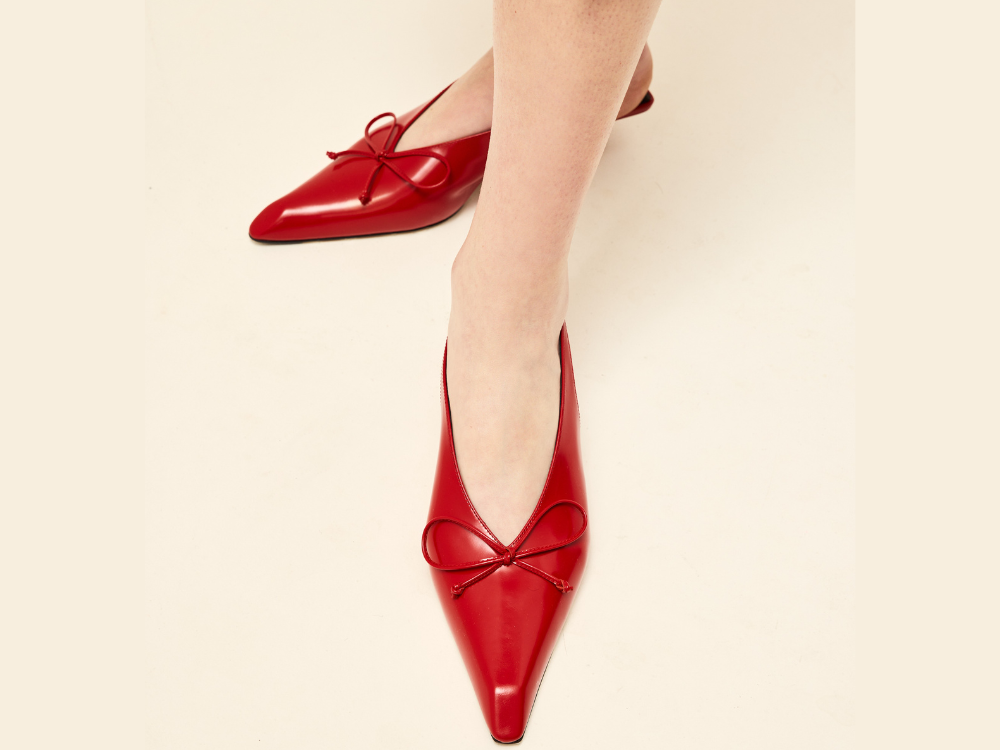
Origin and history of ballet flats: from dance shoe to fashion Icon
Ballet flats, as the name suggests, did not originate from the genius of a high-fashion designer, but rather to support and serve dancers. In 1947, Rose Repetto, an artisan and entrepreneur of Italian descent living in France, designed and created the first pair of ballet flats based on the needs of her son, a classical dancer and choreographer. From the combination of her craftsmanship and her son's artistic experience, the first ballet flats were born: lightweight, flexible, and durable, with a flat sole and open arch, perfect for accompanying movements with elegance and freedom.
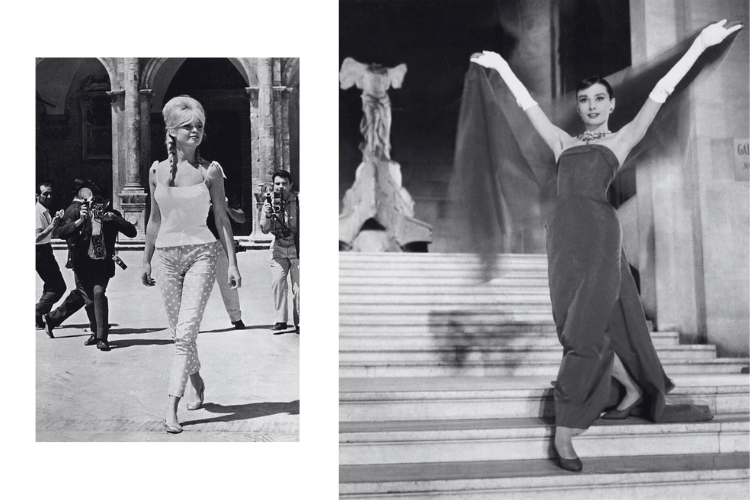
A few years later, ballet flats found their way into cinema, thanks to actress and former dancer Brigitte Bardot, who reached out directly to Madame Repetto to commission a pair. The actress wore the "Cendrillon" flats, specially made for her, during the filming of And God Created Woman in 1956, and also sported them in her free time. From then on, ballet flats became a symbol of femininity and the object of desire for many women. Audrey Hepburn herself chose to wear them shortly afterward in the film Cinderella in Paris, further boosting their popularity and desirability. The flats worn by Audrey Hepburn were made for her by Ferragamo, with a rounded toe and a shell-like sole, establishing them as shoes not only of refined elegance but also of simple lines and absolute comfort.
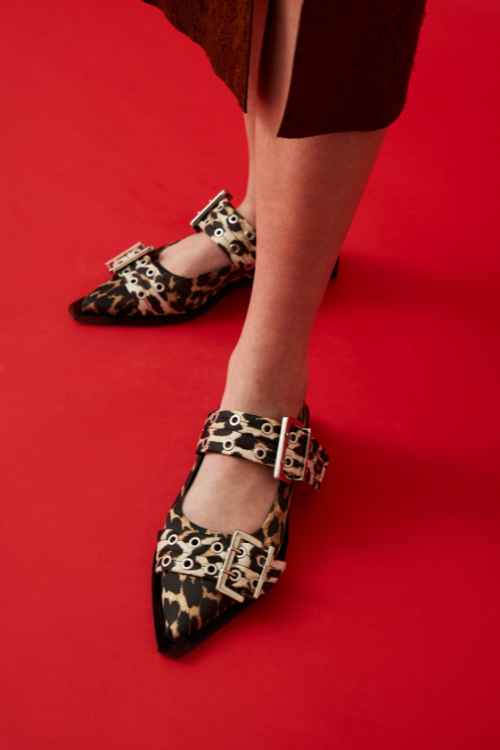
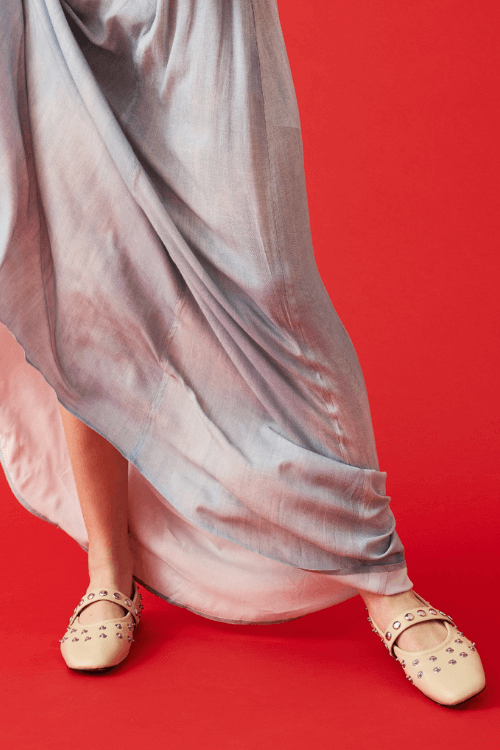
The desire to emulate the great actresses of the time, along with the distinguishing features of ballet flats, such as comfort and versatility, allowed these shoes to spread quickly and win the hearts of many girls and women. These very qualities continue to make them trendy shoes with eclectic style, suitable for various looks and styles today.